Why Choose MOTS-c Peptide Therapy for Weight Loss
A guide to why MOTS-c peptide therapy is a superior choice for weight loss compared to traditional methods. Covers evidence-based benefits (metabolic regulation, AMPK activation, weight management), how MOTS-c supports metabolic health as a mitochondrial-derived peptide, energy and exercise performance enhancement, head-to-head comparison with diet, exercise, and pharmaceutical approaches, advantages of physician-supervised personalized treatment, clinical evidence including obesity prevention in animal models and emerging mitochondrial peptide research for obesity intervention, safety profiles and treatment outcomes, and FSA/HSA eligibility for accessible therapy.
MOTS-c peptide therapy represents a groundbreaking approach to weight management, offering a unique alternative to traditional weight loss methods. This innovative therapy leverages the body's natural metabolic processes to enhance fat loss and improve overall health.
The Evidence-Based Benefits of MOTS-c for Weight Loss
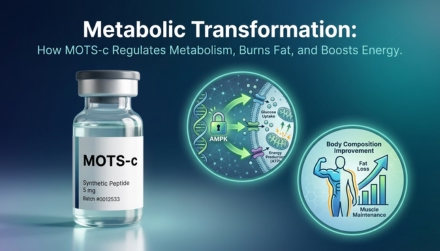
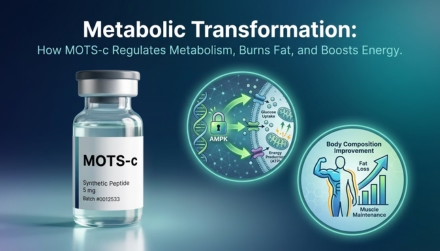
- Metabolic Regulation: MOTS-c plays a crucial role in regulating metabolic pathways, enhancing the body's ability to burn fat efficiently.
- AMPK Activation: This peptide activates AMP-activated protein kinase (AMPK), promoting fat oxidation and reducing fat storage.
- Weight Management: By improving insulin sensitivity and promoting energy expenditure, MOTS-c supports sustainable weight management.
MOTS-c Prevents Obesity & Reduces Fat Accumulation
MOTS-c treatment in mice prevented ovariectomy-induced obesity and insulin resistance. MOTS-c treatment increased brown fat activation and reduced OVX-induced fat accumulation and inflammatory invasion in white adipose tissue, which contributes to the lower level of fatty acid in serum and liver. Moreover, MOTS-c activated AMPK pathway to improve energy dissipation and insulin sensitivity.
-- MOTS-c peptide regulates adipose homeostasis to prevent ovariectomy-induced metabolic dysfunction, 2019
| Approach | Mechanism | Impact | Sustainability |
|---|---|---|---|
| MOTS-c Peptide Therapy | AMPK activation; fat oxidation; insulin sensitivity | Sustainable weight loss and improved metabolic health | High -- addresses metabolic root causes |
| Diet (Caloric Restriction) | Caloric deficit and nutrient management | Often temporary weight loss with rebound potential | Low-moderate -- hard to maintain long-term |
| Exercise | Increased energy expenditure | Requires consistent effort; may not address metabolic issues | Moderate -- depends on adherence |
| Pharmaceutical Treatments | Various (appetite suppression, absorption blocking) | Weight loss with potential significant side effects | Variable -- may not address root causes |
| MOTS-c + Exercise (Combined) | AMPK activation + physical expenditure | Amplified fat oxidation and metabolic enhancement | High -- metabolic + behavioral approach |
What Is MOTS-c and How Does It Support Metabolic Health?
MOTS-c peptide therapy utilizes a mitochondrial-derived peptide to enhance metabolic health. The primary mechanism involves AMPK activation, which increases fat oxidation and improves insulin sensitivity. Individuals undergoing MOTS-c therapy may experience improved energy levels, better weight management, and enhanced metabolic function. This approach addresses the root causes of metabolic dysfunction rather than treating symptoms alone.
MOTS-C peptide is a mitochondrial-derived peptide that plays a crucial role in cellular energy metabolism and longevity. This powerful peptide helps regulate glucose metabolism, enhance insulin sensitivity, and promote healthy aging processes. Research shows MOTS-C may support weight management, improve exercise performance, and protect against age-related metabolic decline.
How MOTS-c Enhances Energy Levels and Exercise Performance
MOTS-c enhances energy levels and improves exercise performance through its effects on mitochondrial function. By increasing energy production efficiency within cells, MOTS-c helps individuals feel more energized and capable of physical activity. This increased energy can lead to improved endurance during workouts and faster recovery times, further supporting weight loss goals.
How does MOTS-c compare to traditional weight loss methods?
Traditional approaches rely heavily on caloric restriction and increased physical activity, which can be hard to maintain. MOTS-c targets underlying metabolic processes, offering a more sustainable solution. It can complement or surpass traditional methods by focusing on metabolic enhancement rather than solely lifestyle changes.
How does MOTS-c compare to pharmaceutical weight loss treatments?
Many pharmaceutical medications lead to weight loss but come with significant side effects and may not address root causes. MOTS-c works with the body's natural processes, promoting weight loss without the adverse effects commonly associated with pharmaceuticals.
What are the advantages of physician-supervised personalized treatment?
Advantages include metabolic optimization (therapy tailored to specific needs), personalized care with regular monitoring and adjustments, and a structured approach to weight management. Professional guidance maximizes the potential of MOTS-c therapy.
What clinical evidence supports MOTS-c's safety and effectiveness?
Preliminary findings suggest MOTS-c is well-tolerated with significant improvements in metabolic health markers. Mitochondrial-derived peptides have emerged as a novel intervention for obesity and cardiac diseases with bench evidence for potential clinical application. More comprehensive data is expected as research continues.
How does FSA/HSA eligibility enhance access?
FSA and HSA accounts allow use of pre-tax dollars for qualified medical expenses, making MOTS-c therapy more affordable. Patients can reduce out-of-pocket costs and should consult with providers and financial advisors to maximize benefits.
What is the safety profile of MOTS-c therapy?
The safety profile appears favorable with minimal reported side effects. Patient feedback has generally been positive, highlighting improvements in energy and weight management. Ongoing assessments continue to establish long-term safety and efficacy data.
How Does MOTS-c Compare to Traditional Weight Loss Methods?
When comparing MOTS-c to traditional methods, several key differences emerge. Traditional approaches rely on caloric restriction and increased physical activity, which can be challenging to maintain. MOTS-c targets underlying metabolic processes, offering a more sustainable solution.
MOTS-c vs Pharmaceutical Weight Loss Treatments
MOTS-c stands out against pharmaceutical treatments. While many medications lead to weight loss, they often come with significant side effects and may not address root causes. MOTS-c works with the body's natural processes, promoting weight loss without common pharmaceutical adverse effects.
| Category | Detail | Guidance |
|---|---|---|
| Advantage -- Natural Processes | Works with body's metabolic systems | Avoids pharmaceutical side effects |
| Advantage -- Root Cause | Targets metabolic dysfunction directly | More sustainable than caloric restriction alone |
| Advantage -- Energy | Enhanced mitochondrial function boosts energy | Supports active lifestyle and exercise |
| Evidence -- Animal Models | Prevented obesity; brown fat activation; AMPK improvement | High-potential metabolic dysfunction candidate |
| Evidence -- MDP Research (2022) | Novel intervention for obesity and cardiac diseases | Bench evidence for potential clinical application |
| Safety -- Profile | Favorable with minimal reported side effects | Positive patient feedback |
| Access -- Personalization | Physician-supervised tailored plans | Based on metabolic needs, activity, goals |
| Access -- FSA/HSA | Pre-tax dollars may cover therapy | Consult with provider and financial advisor |
Physician-Supervised Personalized Treatment
- Metabolic Optimization: Personalized plans ensure therapy is tailored to individual metabolic needs.
- Personalized Care: Regular monitoring allows adjustments based on progress and individual responses.
- Convenience: Physician oversight provides a structured approach to weight management.
Clinical Evidence
Mitochondrial Peptides: Novel Obesity Intervention
Recent studies have shown that peptides produced by mitochondria, mitochondrial-derived peptides (MDPs), have emerged as a novel intervention for obesity and cardiac diseases: bench evidence for potential bedside application.
-- Mitochondrial-derived peptides as a novel intervention for obesity and cardiac diseases: bench evidence for potential bedside application, C Maneechote, 2022
Preliminary clinical findings suggest MOTS-c is well-tolerated and can lead to significant improvements in metabolic health markers. The safety profile appears favorable with minimal reported side effects. Patient feedback has generally been positive.
Conclusion
The case for MOTS-c over traditional weight loss methods comes down to mechanism: diets restrict calories (often temporarily), exercise increases expenditure (but doesn't address metabolic dysfunction), and pharmaceuticals can cause significant side effects. MOTS-c activates AMPK to enhance fat oxidation, improve insulin sensitivity, and regulate metabolic pathways directly -- working with the body's natural processes rather than against them. The animal model evidence is compelling (prevented obesity, brown fat activation, AMPK improvement), and the emerging recognition of mitochondrial-derived peptides as a novel obesity intervention class adds scientific weight. Under physician supervision with personalized dosing and FSA/HSA accessibility, MOTS-c offers a metabolically grounded alternative that addresses why weight accumulates rather than simply forcing it off.
Disclaimer: This information is for educational purposes only and does not constitute medical advice. MOTS-c is a peptide therapy not currently FDA-approved. Always consult a licensed healthcare provider before starting, stopping, or changing any treatment. Individual results vary.